

Time for a Change: Why the Riverhounds Should Move On from Bob Lilley

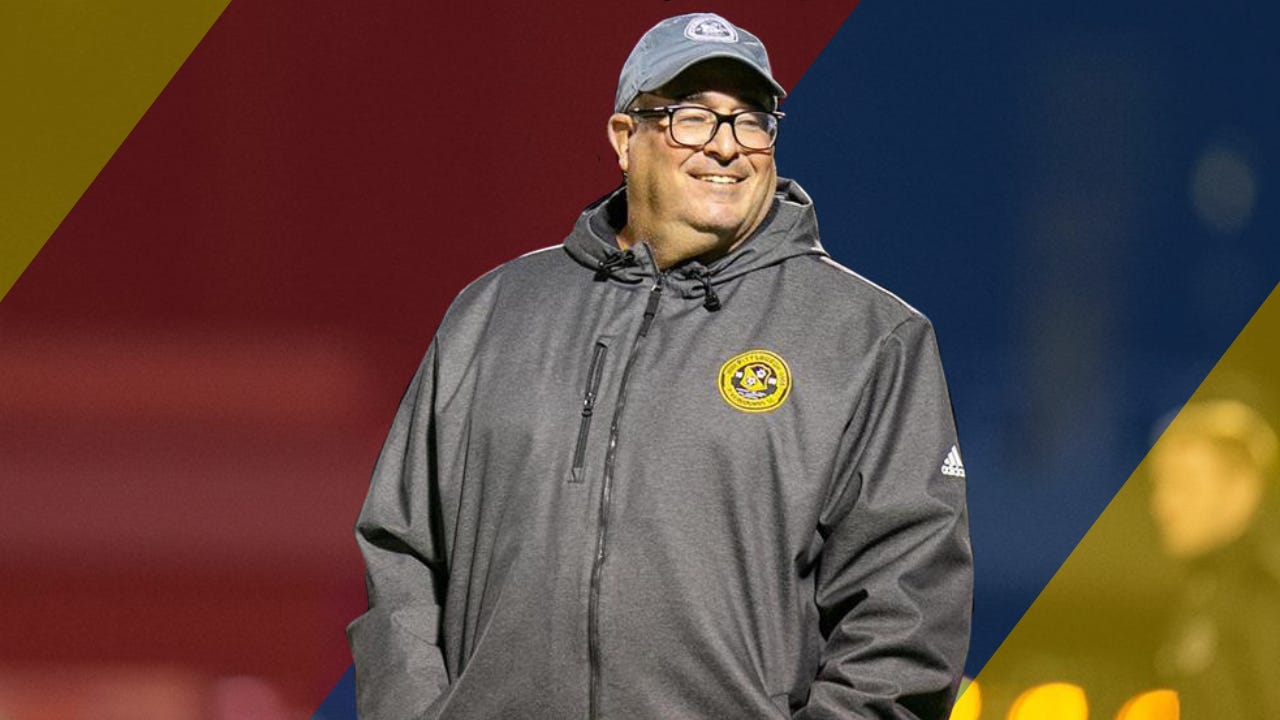
For years, Bob Lilley has been synonymous with hard-nosed, blue-collar soccer in Pittsburgh. He brought structure to the Riverhounds, crafted league-leading defenses, and pushed the team into playoff contention season after season. But in 2025, it’s becoming increasingly clear: the Lilley era has run its course.
This is not a reaction to a single match, or even a single season. It’s the accumulation of patterns. Patterns on the pitch, in the press room, and, increasingly, in the stands.
Public Blame, Private Accountability
In recent weeks, Lilley has made a habit of calling out individual players in postgame press conferences. After the 2–2 draw against Loudoun, he said players were “taking short cuts” and accused one of “cheating” on defense. He named team captain Danny Griffin as someone who “didn’t say anything” when a teammate was out of position. He questioned Agui Williams' hunger for goals even in a game where Williams scored.
That might be forgivable once or twice. But it’s not once or twice. It’s every loss, every draw, every imperfect win. Lilley’s postgame comments almost always point fingers outward. What’s missing is any sign of introspection or shared responsibility.
Not once in the last stretch of games has Lilley said something like, “I didn’t get the tactics right,” or “I should have prepared them better.” It’s always the players who didn’t execute. That’s not accountability. That’s deflection.
Stagnant Results, Recycled Excuses
This isn’t just about tone. It’s about trajectory.
Lilley’s Riverhounds have consistently faltered in the postseason. For all the regular-season grit, the team has yet to break through in a meaningful way. And now, in 2025, they’re struggling to even stay above the playoff line. Losses to mid-table teams, slow starts, late collapses, and a lack of scoring punch have become familiar. The issues are not being addressed in a meaningful way.
The most damning part? Lilley keeps offering the same explanations: poor effort, mental lapses, missed assignments. But when these issues repeat week after week, year after year, they stop being player problems. They become coaching problems.
Eroding Culture, Eroding Trust
The Riverhounds are not a team without talent. The roster includes veterans with USL experience, exciting young attackers, and a captain in Griffin who gives everything on the pitch. But when the coach’s public tone becomes critical to the point of alienating, and when fans begin to feel it too, you risk losing the locker room and the supporter base.
Supporters show up in heat, in rain, and through streaks of mediocrity. We’re not asking for miracles. But we are asking for a coach who builds players up, not tears them down after every setback. Leadership, in this league especially, is as much about trust and culture as it is about tactics.
A New Voice, A New Direction
The USL is evolving, and so should the Riverhounds. Look around the league, teams like Louisville, Sacramento, and Charleston are pairing tactical innovation with strong locker room leadership. That’s where Pittsburgh should be. If they truly want to be one of the teams in the new first division league USL is creating, it is where they have to be!
What the Riverhounds need now is a coach who:
Takes accountability
Empowers players, rather than blaming them
Adapts in-game, instead of repeating the same postmortem analysis
The club has laid a strong foundation. Now it needs someone who can build on it, not someone who keeps pointing out the cracks.
A Respectful Goodbye
This isn’t a call to vilify Bob Lilley. He has given a lot to this club, and fans should respect his years of service to this club. But just as we ask players to fight for every inch on the pitch, we should also ask our front office to fight for every opportunity to grow.
It’s time to recognize what’s no longer working, and to start building toward what comes next.
I think the saying 'best to leave a year too early rather than a year too late' is appropriate. I think he should have left after last year.
I also want to say that the first sign I saw that he might not be all that great was a postseason game. Not Detroit, but Bethlehem Steel.